
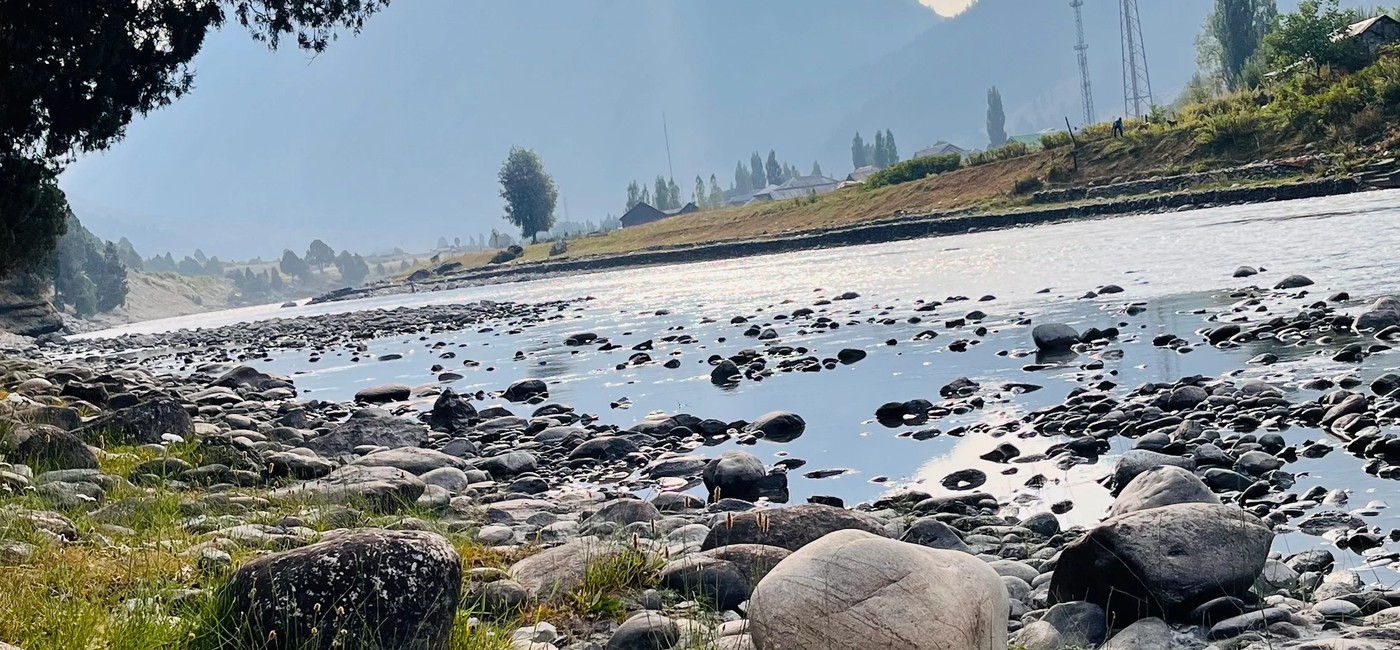
Explore 12 offbeat places in Kashmir with routes, best times, stay advice and practical itineraries from local Kashmir travel experts.
12 Best Offbeat Places in Kashmir: A Local Guide to Hidden Valleys, Routes and Itineraries
When most travellers imagine Kashmir, they picture a shikara on Dal Lake, the Gondola in Gulmarg, the Lidder River in Pahalgam and the mountain scenery of Sonmarg. These places deserve their fame—but they are only the beginning of Kashmir.
Beyond the classic circuit are river villages beside the Line of Control, vast meadows without queues, forest retreats, ancient routes and valleys where the journey matters as much as the destination. This is offbeat Kashmir: slower, quieter and more dependent on thoughtful planning.
As a local Kashmir travel company, we often meet guests who want “hidden places” but are unsure which destinations are genuinely worth the drive. Some offbeat places can be comfortably visited from Srinagar in one day. Others need multiple nights, flexible timings and a driver familiar with changing mountain conditions.
This guide brings those differences together. It covers 12 of the best offbeat places in Kashmir, approximate travel times, suitable seasons, stay options and two practical itineraries. It will help you choose a route that is beautiful on the ground—not merely impressive on paper.
Quick answer: The best offbeat places in Kashmir include Gurez, Tulail, Bangus, Lolab, Keran, Athwatoo, Doodhpathri, Yousmarg, Aharbal, Daksum, Sinthan Top and Naranag. First-time visitors can add Doodhpathri or Yousmarg to a classic Kashmir trip, while experienced travellers should allow at least seven to eight days for a Gurez–Lolab–Bangus circuit.
What Does “Offbeat Kashmir” Really Mean?
An offbeat destination is not simply a place outside Srinagar. It is a location that receives fewer visitors, has limited tourism infrastructure or requires more careful route planning than the familiar Srinagar–Gulmarg–Pahalgam–Sonmarg circuit.
Not every destination in this guide is equally remote. Doodhpathri and Yousmarg are increasingly popular and work well as comfortable day trips. Gurez, Tulail, Keran and Bangus are deeper journeys where road conditions, daylight and accommodation availability matter much more.
For easier planning, think of offbeat Kashmir in three levels:
- Easy offbeat: Doodhpathri, Yousmarg, Aharbal and Naranag
- Moderately remote: Athwatoo, Lolab and Daksum
- Deep offbeat: Gurez, Tulail, Bangus, Keran and Sinthan Top
Offbeat Places in Kashmir at a Glance
Travel times below are approximate from central Srinagar in normal conditions. Mountain weather, roadwork, checkpoints and the exact starting point can change the journey considerably.
Destination
Approximate distance
Typical drive
Ideal time
Recommended stay
Gurez Valley
123–140 km
5–6 hours
June–September
2–3 nights
Tulail Valley
35–65 km beyond Dawar
Full-day excursion
June–September
Stay in Gurez
Bangus Valley
100–120 km
4–5 hours
June–September
Day visit or 1 night nearby
Lolab Valley
95–110 km
3.5–4.5 hours
April–October
1 night
Keran Valley
150–170 km
5.5–7 hours
May–October
1–2 nights
Athwatoo
65–75 km
2.5–3 hours
April–November
Day visit or 1 night
Doodhpathri
45–50 km
1.5–2 hours
April–November
Day visit
Yousmarg
47–50 km
About 2 hours
April–November
Day visit or 1 night
Aharbal
70–80 km
2.5–3 hours
March–November
Day visit or 1 night
Daksum
95–105 km
3–3.5 hours
April–October
1 night
Sinthan Top
125–135 km
4–5 hours
May–October, subject to access
Visit from Daksum
Naranag
Around 50 km
About 2 hours
April–October
Day visit or trek base
1. Gurez Valley – Kashmir’s Great Mountain Escape
Gurez is the place most travellers have in mind when they ask for the unexplored side of Kashmir. The valley lies in Bandipora district beyond Razdan Pass, with the Kishanganga River flowing past villages framed by steep mountains.
Dawar is the main township and the most practical base for visitors. From here, travellers can see the distinctive Habba Khatoon Peak, spend time beside the river, explore nearby villages and continue deeper towards Tulail Valley.
What makes Gurez special is not a single viewpoint. It is the combination of the mountain road, wooden homes, the Shina-speaking Dard community, river scenery and the feeling of being far removed from the conventional tourist circuit.
Best for: photographers, couples seeking privacy, culture-focused travellers, repeat visitors to Kashmir and families comfortable with long mountain drives.
Recommended duration: At least two nights; three nights is better if Tulail is included.
Usual route: Srinagar → Bandipora → Razdan Pass → Dawar.
Best time: June to September offers the most dependable road access. Late May and October can be beautiful, but the route across Razdan Pass becomes more weather-sensitive.
Where to stay: Dawar has the most practical selection of hotels, guesthouses and homestays. Accommodation becomes limited as you travel deeper into the valley.
Local planning tip: Do not treat Gurez as a one-night photo stop. The drive is long, and a rushed plan leaves little time for the valley itself. Keep at least one full day for local sightseeing and another for Tulail.
For a closer look at the destination, read our Gurez Valley travel guide. Travellers who want transport, stays and route coordination together can also explore the Offbeat Kashmir Expedition.
2. Tulail Valley – Deeper Into the Gurez Landscape
Tulail is not a separate quick excursion from Srinagar. It is the natural extension of a properly planned Gurez trip.
The road beyond Dawar follows the Kishanganga River through smaller settlements, open landscapes and increasingly remote mountain country. Depending on current permissions and road conditions, travellers may explore selected villages and viewpoints along the Tulail route rather than aiming for the farthest possible point.
This is where the landscape begins to feel truly wild. Commercial facilities are limited, distances are deceptive and mobile connectivity can be unreliable. The reward is an unhurried journey through one of the least urbanised corners of Kashmir.
Best for: slow travellers, landscape photographers, adventure-minded couples and visitors already staying in Gurez.
Recommended duration: One full day from Dawar, with the same night in Gurez.
Best time: June to September.
Where to stay: Dawar remains the safest and most convenient base for most visitors.
Local planning tip: Carry water and simple snacks, start early and return before dark. The goal should be to experience the route comfortably—not to race towards the last accessible village.
3. Bangus Valley – Vast Meadows in North Kashmir
Bangus, also written as Bungus, is one of North Kashmir’s most impressive meadow landscapes. The region is commonly described through two sections: the larger Bod Bangus and the smaller Lokut Bangus. Streams, grasslands, forested slopes and broad mountain views give it a very different character from Kashmir’s better-known resort towns.
Bangus remains more logistically demanding than Doodhpathri or Yousmarg. Approach roads and the final stretch can change with the season, and facilities inside the meadow area are limited. A suitable vehicle and a driver who knows the currently usable approach are more valuable than a rigid online map.
Best for: nature lovers, photographers, walkers and travellers wanting a genuine meadow experience with fewer commercial distractions.
Recommended duration: A long day with an early start, or one night in the Kupwara/Handwara region to avoid excessive driving.
Usual approach: Srinagar → Handwara/Kupwara side → the locally advised Bangus approach.
Best time: June to September. Access before or after this period depends heavily on snow, rain and the condition of the final track.
Where to stay: Accommodation is more dependable around Handwara or Kupwara than inside the meadow. Camping should never be assumed to be automatically permitted.
Local planning tip: Confirm the usable route on the morning of travel. Different approaches may be recommended at different times, and the shortest-looking road is not necessarily the best road.
4. Lolab Valley – Forests, Springs and Village Kashmir
Lolab offers a softer form of offbeat travel. It is green, inhabited and culturally rich, with forests, orchards, streams and village landscapes spread across the Kupwara region.
Unlike destinations built around one famous attraction, Lolab is best experienced slowly. Drives through villages, short walks, time beside the water and conversations at a homestay often become more memorable than a checklist of sightseeing points.
Commonly explored areas include Chandigam and the wider village belt, while nearby Kalaroos is known for its rock formations and caves. Access to any cave or forest trail should be attempted only with current local guidance.
Best for: families, couples, senior travellers who prefer a slower pace and visitors interested in rural landscapes.
Recommended duration: One night, ideally as part of a Gurez–Lolab–Bangus route.
Best time: April to October; summer is green, while early autumn brings warmer colours and clearer light.
Where to stay: Choose a verified guesthouse or homestay in the Lolab/Kupwara area. Facilities are simpler than those in Srinagar.
Local planning tip: Lolab should not be reduced to a short roadside stop between two remote valleys. Give it an afternoon, an evening and a relaxed morning if your schedule allows.
5. Keran Valley – A Sensitive and Spectacular Border Journey
Keran lies beside the Kishanganga River in Kupwara district, close to the Line of Control. Forested mountains, river views and the distinctive setting of settlements across the water make it one of Kashmir’s most unusual travel experiences.
The beauty of Keran comes with an important responsibility: this is a sensitive border area, not an ordinary picnic destination. Visitor permissions, identification requirements, timings and accessible zones can change. The District Kupwara administration provides an official e-permission facility for Keran and other notified border areas, so travellers should verify the latest process before departure.
Best for: responsible travellers, photographers and visitors interested in border landscapes and local culture.
Recommended duration: One or two nights; avoid attempting it as an exhausting same-day return from Srinagar.
Usual route: Srinagar → Kupwara → the currently authorised route to Keran.
Best time: May to October, subject to current road, weather and administrative conditions.
Where to stay: Use a verified homestay or approved local accommodation arranged in advance.
Local planning tip: Carry original government-issued identification and printed as well as digital copies. Complete any required permission process before travelling and follow all instructions at checkpoints. Photography near security installations is prohibited unless explicitly permitted.
6. Athwatoo – A Quiet Riverside Retreat Near Bandipora
Athwatoo is one of the most practical lesser-known places for travellers who want quiet Kashmir without committing to a very remote expedition. Located beyond Bandipora town, it is known for forested surroundings, mountain views and the Madhumati River.
It also fits naturally into a Gurez itinerary. Travellers can stay around Athwatoo or Bandipora before crossing Razdan Pass the following morning, creating a gentler and more enjoyable journey.
Best for: families, couples, short breaks and travellers wanting to divide the Srinagar–Gurez drive.
Recommended duration: A day visit or one night.
Best time: April to November, with conditions varying in winter and early spring.
Where to stay: Limited resorts and local properties are available in and around Athwatoo; reserve ahead during summer.
Local planning tip: Combine Athwatoo with Wular viewpoints and Bandipora rather than driving from Srinagar only for a rushed photograph.
7. Doodhpathri – The Easiest Introduction to Offbeat Kashmir
Doodhpathri, meaning “Valley of Milk”, lies in Budgam district and is one of the easiest offbeat additions to a Srinagar-based itinerary. Its rolling meadows, pine-covered slopes and the Shaliganga stream make it ideal for a relaxed day in nature.
Although it is no longer completely hidden, Doodhpathri generally feels less urbanised than the major resort towns. The main meadow is only one part of the experience; the walk or pony route towards the riverside landscape is often the highlight.
Best for: first-time visitors, families, couples, children and travellers with only one spare day.
Recommended duration: One full day from Srinagar.
Best time: April to November for meadow scenery; winter access and snow conditions must be checked locally.
Where to stay: Most travellers return to Srinagar. Limited accommodation exists in the wider area.
Local planning tip: Wear shoes with grip. The meadow can be muddy after rain, and the route towards the stream may involve an uneven walk. Agree on any pony service and price before starting.
Read our dedicated Doodhpathri day-tour guide before adding it to your itinerary.
8. Yousmarg – Pine Forests and Unhurried Meadow Walks
Yousmarg—also commonly written as Yusmarg—is a broad meadow destination in Budgam district, reached through Chrar-i-Sharief. Pine forests, walking trails and routes towards the Doodhganga side give it a calm, open character.
Yousmarg works especially well for travellers who prefer walking, picnics and quiet scenery over a packed attraction list. It is suitable for a full day, although visitors seeking deeper trails should stay nearby or travel with an experienced local guide.
Best for: couples, families, walkers and travellers seeking an unhurried day.
Recommended duration: One day; an overnight stay can be considered for slow travel.
Best time: April to November, depending on snow and road conditions.
Where to stay: Most visitors return to Srinagar; limited tourism accommodation is available locally.
Local planning tip: Do not accept an unclear promise of a “secret point” from anyone approaching in the parking area. Decide whether you want a short meadow walk, a pony ride or a longer guided trail, and agree on the route and rate first.
9. Aharbal Waterfall – South Kashmir’s Powerful Nature Escape
Aharbal is built around the force of the Veshaw River as it drops through a rocky gorge. Often called the “Niagara Falls of Kashmir”, it offers a dramatic contrast to the gentle meadows found elsewhere in the valley.
The landscaped viewpoint makes the waterfall accessible for a day visit, while the wider region also acts as a base for forest walks and serious trekking routes towards Kungwattan and Kausar Nag. Those longer routes require appropriate fitness, equipment and local guidance.
Best for: families, photographers, nature lovers and trekkers.
Recommended duration: One day for the waterfall; additional days for any organised trek.
Usual route: Srinagar → Pulwama/Shopian side → Aharbal, depending on the chosen approach.
Best time: March to November for a general visit. Water volume, weather and trail conditions vary throughout the year.
Where to stay: Aharbal has limited tourism accommodation; many guests visit from Srinagar or combine it with a night in South Kashmir.
Local planning tip: Remain behind safety barriers. Wet rocks around a powerful mountain river are slippery, and attempting to reach the water for photographs is not worth the risk.
10. Daksum – Forest Silence Beside the Bringi River
Daksum lies beyond Kokernag in South Kashmir. It is a forest retreat rather than a conventional hill station, with conifers, riverside scenery and a sense of quiet that begins as soon as the road leaves the busier settlements behind.
The destination works best when combined with Kokernag, Verinag and Sinthan Top. It also suits travellers who want one slow night in nature instead of returning to Srinagar after hours of driving.
Best for: couples, birdwatchers, nature lovers, writers and travellers looking for peaceful accommodation.
Recommended duration: One night.
Usual route: Srinagar → Anantnag → Kokernag → Daksum.
Best time: April to October. The onward road towards Sinthan Top has a shorter and more weather-dependent season.
Where to stay: Choose a verified property in Daksum or Kokernag and confirm meals, hot water and power arrangements in advance.
Local planning tip: Daksum is most rewarding in the early morning and evening, when day visitors have left. If your itinerary permits, stay instead of treating it as a quick stop.
Explore the route in more detail through our Daksum Valley guide.
11. Sinthan Top – High-Altitude Views Above South Kashmir
Sinthan Top is a high mountain pass on the Anantnag–Kishtwar road, generally approached from the Kokernag and Daksum side. On a clear day, it offers sweeping views of surrounding mountain ranges and valleys.
This is one destination where weather must control the plan. Snow, rain, fog or official traffic regulation can restrict movement even when the lower valleys are comfortable. There are limited facilities at the top, and the temperature can drop sharply.
Best for: photographers, road-trip enthusiasts and travellers already staying around Daksum or Kokernag.
Recommended duration: A day excursion from Daksum/Kokernag; it should not be the sole purpose of an inflexible trip.
Best time: Usually late spring through autumn, subject entirely to road clearance, weather and official movement timings.
Where to stay: Stay in Daksum or Kokernag rather than expecting full facilities at the pass.
Local planning tip: Check access on the same day, carry warm layers and return well before dark. Never proceed against a weather or traffic advisory.
12. Naranag – History and the Gateway to Mountain Trails
Naranag in Ganderbal district combines village scenery, forest surroundings and a historic stone temple complex. It is also known as a base for trekking routes towards Gangbal and the Kashmir Great Lakes region.
Casual visitors can explore the village and temple area on a day trip, but the alpine routes beyond Naranag are not ordinary walks. They require proper trekking plans, equipment, weather awareness and qualified support.
Best for: history lovers, hikers, trekkers and travellers seeking a less-commercial day outside Srinagar.
Recommended duration: One day for local exploration; multiple days for an organised trek.
Best time: April to October for a general visit, with trekking windows depending on snow and route conditions.
Where to stay: Day visitors can return to Srinagar. Trekkers should use accommodation or camps arranged by a responsible operator.
Local planning tip: Treat the temple complex respectfully and do not begin an alpine trail simply because the first section looks easy.
Which Offbeat Kashmir Route Should You Choose?
Trying to include all 12 destinations in one holiday would create more driving than discovery. The best route depends on whether you want a remote expedition or easier day trips.
Choose North Kashmir if you want:
- Gurez, Tulail, Lolab, Bangus, Keran or Athwatoo
- Remote landscapes and village stays
- Fewer commercial facilities
- Longer drives and a flexible itinerary
- At least seven to eight days
Choose Central and South Kashmir if you want:
- Doodhpathri, Yousmarg, Aharbal, Daksum, Sinthan Top or Naranag
- Easier access from Srinagar
- A combination of day trips and one overnight stay
- A route suitable for families or first-time visitors
- Five to six days
Practical 8-Day North Kashmir Offbeat Itinerary
This route focuses on Gurez, Tulail, Athwatoo, Lolab and Bangus. Keran should be added only with extra time and confirmed permission/access; it should not be squeezed into the same eight days.
Day 1 – Arrival in Srinagar
Arrive at Srinagar Airport, check in and keep the first day light. Enjoy a relaxed shikara ride or an evening walk around Dal Lake. Meet your driver or trip coordinator and confirm the latest road conditions for Gurez.
Overnight: Srinagar
Day 2 – Srinagar to Gurez via Bandipora and Razdan Pass
Leave early and travel through Bandipora before climbing towards Razdan Pass. Stop only at safe, permitted viewpoints and continue to Dawar before evening.
Overnight: Gurez
Day 3 – Gurez Local Exploration
Visit the Habba Khatoon Peak and spring area, spend time beside the Kishanganga River and explore Dawar and nearby villages at a slow pace.
Overnight: Gurez
Day 4 – Tulail Valley Excursion
Take a full-day drive beyond Dawar along the Tulail route. The exact endpoint should depend on road conditions, access and daylight. Return to Dawar before dark.
Overnight: Gurez
Day 5 – Gurez to Athwatoo or Bandipora
Cross Razdan Pass and descend towards Bandipora. Stop at Wular viewpoints and continue to a pre-booked stay in Athwatoo or Bandipora.
Overnight: Athwatoo/Bandipora
Day 6 – Bandipora to Lolab Valley
Travel towards Kupwara and explore the Lolab region without rushing. Walk through the village landscape and spend the evening at a verified local property.
Overnight: Lolab/Kupwara
Day 7 – Bangus Valley Excursion
Start early for Bangus using the locally recommended route for that day. Spend time walking in the meadow and return before evening.
Overnight: Kupwara/Handwara
Day 8 – Return to Srinagar
Drive back to Srinagar. Keep the evening free or connect to a late flight only if there is a generous buffer. An additional night in Srinagar is safer when flight timings are inflexible.
Practical 6-Day Central and South Kashmir Offbeat Itinerary
This is a comfortable route for travellers who want lesser-known scenery without the demands of a remote border circuit.
Day 1 – Arrival and Srinagar Stay
Airport transfer, hotel check-in and relaxed local sightseeing according to arrival time.
Overnight: Srinagar
Day 2 – Doodhpathri Day Trip
Travel to Doodhpathri for meadow walks and time near the Shaliganga stream. Return to Srinagar before evening.
Overnight: Srinagar
Day 3 – Yousmarg Day Trip
Drive through Chrar-i-Sharief to Yousmarg. Choose a relaxed meadow walk or an agreed pony route and return to Srinagar.
Overnight: Srinagar
Day 4 – Srinagar to Aharbal and Daksum
Leave for Aharbal Waterfall, spend time at the designated viewpoints and continue towards Kokernag and Daksum.
Overnight: Daksum/Kokernag
Day 5 – Sinthan Top, Kokernag and Verinag
Attempt Sinthan Top only after checking the weather and movement status. On the return journey, visit Kokernag and Verinag if time permits, then continue to Srinagar.
Overnight: Srinagar
Day 6 – Departure
Transfer to Srinagar Airport according to flight time.
Best Offbeat Place in Kashmir for Different Travellers
Traveller type
Best choices
First visit to Kashmir
Doodhpathri, Yousmarg or Aharbal
Couples seeking privacy
Gurez, Daksum or Lolab
Families with children
Doodhpathri, Yousmarg or Athwatoo
Senior travellers
Lolab, Athwatoo or an easy Doodhpathri visit
Photographers
Gurez, Tulail, Bangus or Sinthan Top
Culture-focused travellers
Gurez, Lolab or Keran
Trekkers
Naranag, Aharbal region or guided Gurez routes
Repeat Kashmir visitors
Gurez–Tulail–Lolab–Bangus circuit
Best Time to Visit Offbeat Kashmir
There is no single perfect month for every hidden valley. Accessibility changes with elevation and the mountain pass involved.
April and May
This is a good period for Doodhpathri, Yousmarg, Aharbal, Lolab, Athwatoo and the lower areas of Daksum. Higher routes such as Razdan Pass and Sinthan Top may still be affected by snow.
June to August
This is the most practical season for Gurez, Tulail, Bangus and other high or remote valleys. Meadows are green, days are longer and most seasonal accommodation is operational. July and August can still be busy, so stays should be reserved early.
September
September is excellent for clear light, fewer crowds and mature summer landscapes. It is one of the best months for an offbeat North Kashmir circuit, provided roads remain stable.
October and November
Autumn colours can be beautiful in the lower valleys, but high passes become increasingly vulnerable to early snow. Keep buffer time and avoid building a fixed itinerary around a pass that may close.
December to March
Winter transforms Kashmir, but many remote routes are restricted or inaccessible. A winter offbeat journey requires specialised local planning; it should not be treated like a normal summer road trip.
For a broader month-by-month comparison, see our complete guide to the best season to visit Kashmir.
Permits, Identification and Checkpoints
Rules for sensitive and border areas can change. Requirements may differ by destination, nationality, exact route and prevailing security conditions.
- Carry original government-issued photo identification.
- Keep printed and digital copies of identification and booking details.
- Keran and certain notified border areas in Kupwara may require advance e-permission. Check the official District Kupwara e-permission information before travel.
- For Gurez and Tulail, confirm the latest registration or permission procedure immediately before departure rather than relying on an old online article.
- Foreign nationals should obtain destination-specific advice before finalising any border-area itinerary.
- Cooperate at all checkpoints and avoid photographing security infrastructure.
At iC Kashmir, we confirm current route and documentation requirements while preparing a customised offbeat itinerary. No responsible operator should promise unrestricted access to a sensitive area weeks in advance.
Transport: Why a Local Driver Matters
Public transport can help independent travellers reach major towns, but it is rarely suitable for a seamless multi-valley itinerary. The last section of an offbeat journey may involve seasonal tracks, limited shared services and early return timings.
A private cab with an experienced local driver offers:
- Flexible departure and photography stops
- Better coordination at checkpoints
- Current knowledge of the usable approach
- Space for luggage, water and warm clothing
- Safer return before darkness or bad weather
A sedan may be suitable on established roads in good weather, while a higher-clearance SUV is preferable for rough or wet stretches. Vehicle selection should be based on current route conditions—not merely on the cheapest daily rate.
See our Kashmir car-rental options or request a route-specific recommendation.
Accommodation Expectations in Hidden Kashmir
Offbeat accommodation is part of the experience, but expectations should be realistic.
In remote regions, a well-run homestay may offer warmth, local food and personal hospitality without the facilities of a city hotel. Power interruptions, scheduled hot water, simple rooms and limited menus are possible.
Before booking, confirm:
- Attached or shared bathroom
- Hot-water arrangement and timing
- Power backup
- Meal plan
- Vehicle parking
- Mobile connectivity or Wi-Fi
- Accessibility for senior citizens
- Cancellation terms if a road closes
Luxury in offbeat Kashmir is often found in location, silence and hospitality—not in an extensive room-service menu.
Mobile Network, Payments and Essential Packing
Connectivity can weaken or disappear in parts of Gurez, Tulail, Bangus and other remote areas. Download important documents and maps before leaving Srinagar.
Carry:
- Government-issued photo ID
- Some cash in small denominations
- Power bank and charging cables
- Warm layers, even in summer
- Waterproof jacket or poncho
- Walking shoes with grip
- Regular medicines and basic first aid
- Motion-sickness medicine if required
- Refillable water bottle
- Sunscreen, sunglasses and a cap
- Dry snacks for long road journeys
Do not depend completely on UPI, cards or a continuous mobile signal in remote valleys.
Responsible Travel in Offbeat Kashmir
Remote destinations remain beautiful only when tourism respects the place and its people.
- Carry your waste back to a proper disposal point.
- Avoid single-use plastic where possible.
- Do not play loud music in meadows, villages or forest areas.
- Ask before photographing residents or homes.
- Dress and behave respectfully in villages and religious places.
- Use marked trails and local guides for hikes.
- Do not enter restricted land or cross barriers for a photograph.
- Support verified homestays, local guides and community businesses.
- Never light an unauthorised fire in a meadow or forest.
Offbeat travel should create local livelihood without damaging the landscape that made the journey worthwhile.
Frequently Asked Questions
Which is the most beautiful offbeat place in Kashmir?
Gurez is the strongest all-round choice because it combines mountain scenery, the Kishanganga River, village culture and access to Tulail. Bangus is exceptional for meadows, while Daksum is ideal for forest tranquillity. The “best” place depends on whether you value scenery, culture, comfort or remoteness.
Which hidden place can I visit as a day trip from Srinagar?
Doodhpathri, Yousmarg, Aharbal and Naranag are the most practical day-trip options. Start early and choose only one major destination per day.
How many days are required for an offbeat Kashmir trip?
Allow five to six days for a central/south Kashmir route and at least seven to eight days for Gurez, Tulail, Lolab and Bangus. Add more time if Keran is included.
Is Gurez possible as a day trip from Srinagar?
It is not recommended. The drive is long and mountain conditions can cause delays. Stay for at least two nights, preferably three.
Is offbeat Kashmir suitable for families?
Yes, if the route matches the family’s comfort level. Doodhpathri, Yousmarg, Athwatoo and Lolab are easier choices. Gurez and other remote valleys suit families comfortable with long drives and simpler facilities.
Do tourists need permits for offbeat Kashmir?
Some sensitive border areas may require advance permission, registration or identity checks. Rules can change, so confirm the latest process for the exact destination and travel date. Keran and other notified areas of Kupwara have an official e-permission process.
Can I combine Gurez, Bangus and Lolab in one trip?
Yes. A practical route needs at least seven to eight days, including Srinagar arrival, two or three nights in Gurez, one night around Bandipora or Athwatoo and two nights in the Kupwara region.
Is mobile network available in offbeat Kashmir?
Connectivity varies and may be unreliable in remote valleys. Download documents, keep family informed and carry cash before leaving Srinagar.
What is the best month for an offbeat Kashmir itinerary?
June to September is the most dependable window for high and remote valleys. April, May and October work well for many lower destinations, but high-pass access must be checked.
Can offbeat places be added to a first Kashmir trip?
Yes. Add one or two accessible destinations—such as Doodhpathri or Yousmarg—to the classic Srinagar, Gulmarg, Pahalgam and Sonmarg circuit. Save the remote North Kashmir circuit for a longer holiday unless you have at least seven days.
Plan Your Offbeat Kashmir Journey with Local Experts
The best offbeat Kashmir itinerary is not the one with the largest number of destinations. It is the one that gives each valley enough time and keeps a sensible margin for weather, road conditions and rest.
iC Kashmir Tours & Travels LLP is a local, government-registered travel company founded by a former Indian Air Force professional. We create customised Kashmir journeys with verified stays, suitable vehicles, practical routing and on-trip support.
Tell us your travel month, number of guests, preferred trip duration and comfort level. We will recommend whether your holiday should focus on Gurez and North Kashmir, Daksum and South Kashmir, or a balanced combination of classic and offbeat places.
Request a customised offbeat Kashmir itinerary
Call or WhatsApp: +91 85276 76141
Email:info@ickashmir.in
Travel note: Distances, travel times, permissions and seasonal access are indicative. Mountain weather and administrative instructions can change at short notice. Always confirm current conditions before travelling.