
Kashmir is breathtaking in every season — but the right time to visit depends entirely on what you want to experience. Here is our definitive month-by-month guide.
Kashmir is one of the few destinations in the world that offers a completely different, completely breathtaking experience in every season. Covered in snow and silence in December, erupting in tulips in April, lush and green in summer, set ablaze in gold and red in October — the Valley of Kashmir is genuinely a year-round destination. But choosing the right time to visit depends entirely on what you want to see and do.
January & February — The Snow Season
January and February are the coldest months, with temperatures in Srinagar dropping to -5°C and Gulmarg regularly hitting -15°C. The entire valley is blanketed in snow. This is the best time for skiing at Gulmarg, where the powder snow is at its finest and the slopes are least crowded. The houseboats on Dal Lake are heated and deeply cosy, and the snow-covered Mughal Gardens have an ethereal quality.
March & April — The Tulip Season
March and April are arguably Kashmir's most magical months. The Indira Gandhi Tulip Garden in Srinagar — Asia's largest tulip garden — bursts into bloom with over 1.5 million tulips in 68 varieties. Cherry blossoms and almond trees flower simultaneously, turning the countryside into a pink-and-white dreamscape. This is peak season for good reason — book early.
May & June — The Summer Peak
May and June are the busiest months in Kashmir. Temperatures are warm (18–28°C), mountain roads are fully open, and the valley is intensely green. Pahalgam, Gulmarg, and Sonmarg are all at their most beautiful. June is the beginning of the Amarnath Yatra season. Book at least 3 months in advance.
July & August — Monsoon & Ladakh Season
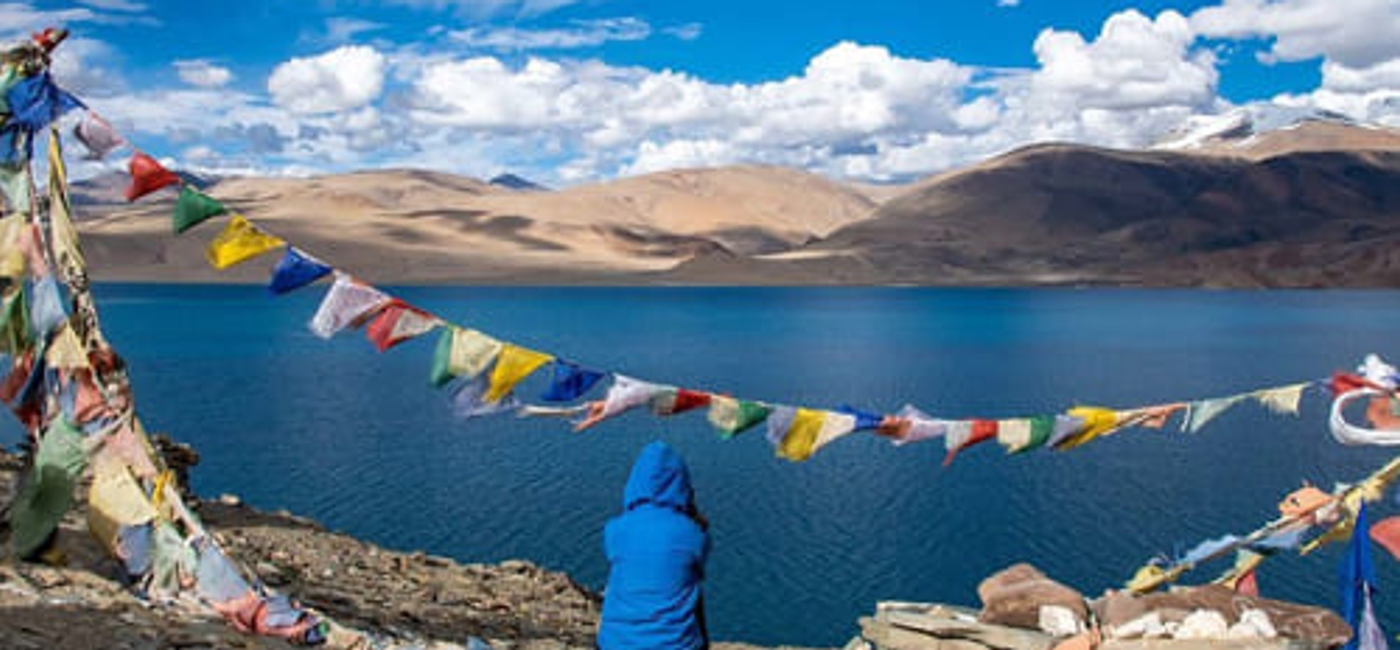
July and August bring some rainfall to Kashmir Valley. The valley turns intensely green and waterfalls are at full force. More importantly, this is the best time to visit Ladakh, which lies in the rain shadow of the Himalayas and remains dry and sunny. If Pangong Lake and Nubra Valley are on your agenda, plan for these months.
September & October — The Autumn Gold
September and October are our personal favourite months in Kashmir. The monsoon retreats, the sky turns piercing blue, temperatures are perfect (15–22°C), and the valley transforms into autumn gold. The chinar trees turn brilliant shades of orange, red, and gold. October is a hidden gem — still warm enough for comfortable travel, profoundly beautiful, and significantly less crowded than summer peak.
November — The Pre-Winter Transition
November marks the beginning of winter. Srinagar is quiet, cool (5–12°C), and melancholy in the most beautiful way — the last autumn leaves fall from the chinars. November is excellent for budget travellers: hotels offer significant discounts and the off-season means a more intimate Kashmir experience.
December — Early Winter
December brings Srinagar's first serious snowfall. Dal Lake begins to freeze at its edges. Gulmarg begins to fill with early-season skiers. Srinagar in December has a special magic — the city dusted in snow, the Mughal Gardens transformed into white geometric patterns.
Our Recommendation
For first-time visitors: April–June or September–October. For snow and skiing: December–February at Gulmarg. For Amarnath Yatra: June–August. For Ladakh and Pangong: June–September. For offbeat Kashmir: May–September. Contact iC Kashmir and we will help you plan the perfect trip for your timing.
Packing Tips for Every Season
Winter (December-February): thermal base layers, a heavy down jacket, waterproof snow boots, woollen socks, gloves, and a cap. Most houseboats and hotels are heated, but layer up for outdoor sightseeing in Gulmarg and Sonmarg.
Spring (March-April): light woollens for mornings and evenings, a waterproof jacket for occasional showers, and comfortable walking shoes for the tulip garden and Mughal gardens.
Summer (May-June): light cottons for the day, a light jacket for evenings and higher altitudes such as Gulmarg and Sonmarg, sunscreen, and a hat.
Monsoon (July-August): a compact rain jacket or umbrella for the valley, plus warm layers if you are extending into Ladakh, where days stay dry and sunny.
Autumn (September-October): light layers for the day and a warm jacket for evenings, since temperatures drop noticeably after sunset during chinar season.
Frequently Asked Questions
Which month has the least rainfall in Kashmir?
September and early October are generally the driest months, following the monsoon and before winter moisture arrives, making this the most reliable window for clear mountain views.
Can I visit Kashmir in the same trip as Vaishno Devi?
Yes. Many travellers combine both in one trip, since Jammu (the base for Vaishno Devi) connects easily to Srinagar by road or a short flight. Our Vaishno Devi with Kashmir package is designed exactly for this combination.
Is Kashmir crowded during the tulip and cherry blossom season?
Yes, late March to mid-April is one of the busiest windows, especially at the Tulip Garden itself. Book accommodation and flights well ahead, and visit the garden early in the morning to avoid the biggest crowds.
Not sure which month suits your plans? Tell us your rough travel window and what you most want to see — snow, tulips, autumn colours, or quiet green valleys — and iC Kashmir will build a day-by-day itinerary around it.
📞 Call or WhatsApp: +91 85276 76141
📧 Email: info@ickashmir.in
🌐 Website: ickashmir.in