
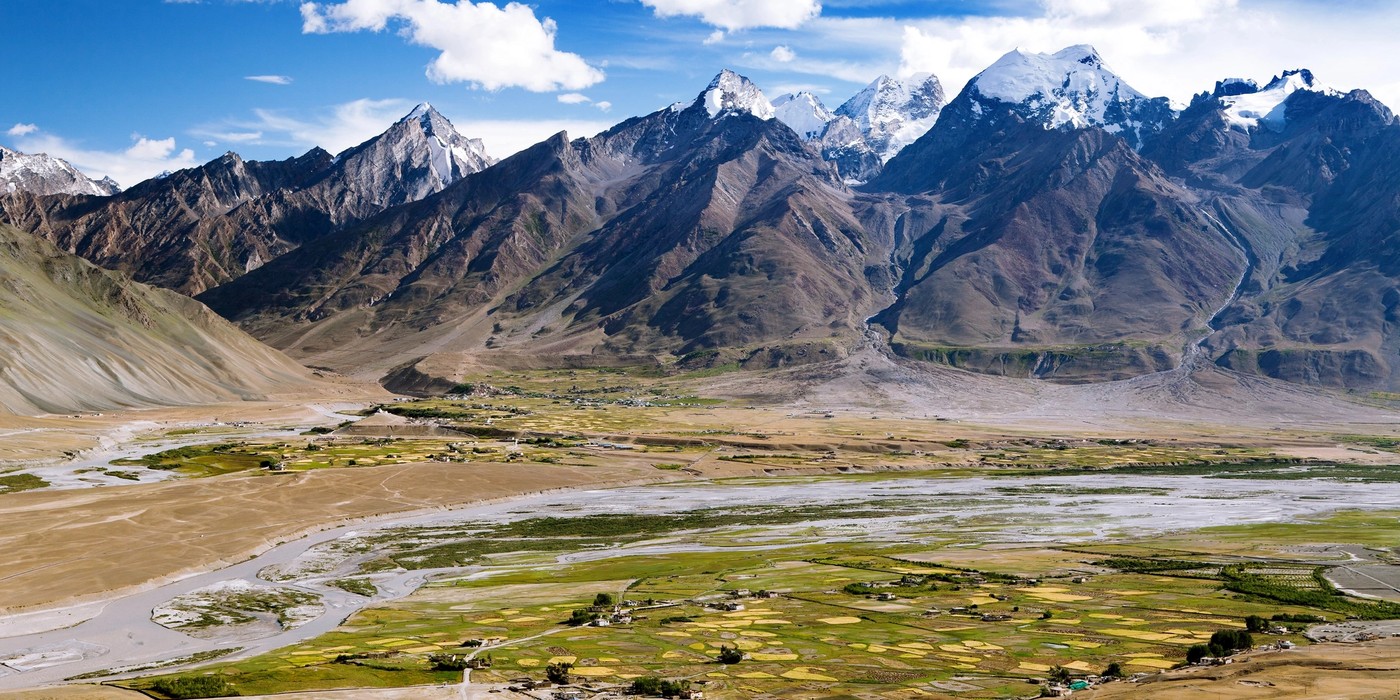
Zanskar Valley Experience
Remote Himalayan Beauty Beyond the Ordinary
About Zanskar Valley Experience
Zanskar Valley is one of Ladakh’s most dramatic high-altitude regions, known for deep river gorges, isolated villages, Buddhist monasteries and vast mountain landscapes. Padum is the main base for exploring the valley, while the traditional approach from Kargil passes through the Suru Valley, Rangdum and Pensi La. The journey is long, scenic and best treated as a multi-day expedition.
Travellers using the Kargil route can see changing landscapes from the greener Suru Valley to the stark terrain around Rangdum and Pensi La. When road and weather conditions allow, viewpoints towards the Drang Drung Glacier are among the memorable highlights of the approach. Distances may look manageable on a map, but rough sections, photography stops and mountain traffic can make travel slow.
Around Padum, visitors can plan monastery visits, village walks and viewpoints over the Zanskar landscape. Experiences may include Karsha Monastery, Stongdey Monastery and routes towards other historic sites, depending on available time and local access. Some monasteries involve steep approaches or steps, so travellers should pace themselves and dress respectfully when entering religious spaces.
June to September is generally the most reliable period for a first Zanskar trip, although every route remains subject to snow, landslides and road work. New road connections are developing, but journey times and surface conditions can change quickly. Confirm the selected route with an experienced local operator shortly before departure rather than relying only on old online itineraries.
Zanskar requires sensible altitude and logistics planning. Spend adequate time acclimatising, keep daily drives realistic and carry water, warm clothing, sun protection and personal medicines. Fuel, cash, mobile connectivity, vehicle repairs and advanced medical help may be limited outside the main settlements. A suitable high-clearance vehicle and a driver familiar with the route are strongly recommended.
A rewarding itinerary normally gives Zanskar several nights instead of using Padum as a quick turnaround point. This creates room for weather delays, monastery visits and rest after long road days. Families and older travellers can enjoy the region too, provided the plan avoids excessive driving and includes comfortable acclimatisation. Local festivals and monastery schedules can add value, but dates should be verified before travel.
iC Kashmir local tip: build a Zanskar journey around time, not just distance. Keep one buffer day, start road sectors early and avoid promising every monastery or pass in a fixed schedule. Responsible travel matters here—carry waste back, use local stays where practical and respect the fragile landscape and the privacy of village communities.
Top Highlights
Photo Gallery


Tour Packages Covering Zanskar Valley Experience


Best Time to Visit
June–September (subject to route and weather conditions)
Quick Info
Plan a Trip to Zanskar Valley Experience
Get a customized itinerary within 24 hours
Browse All Packages