
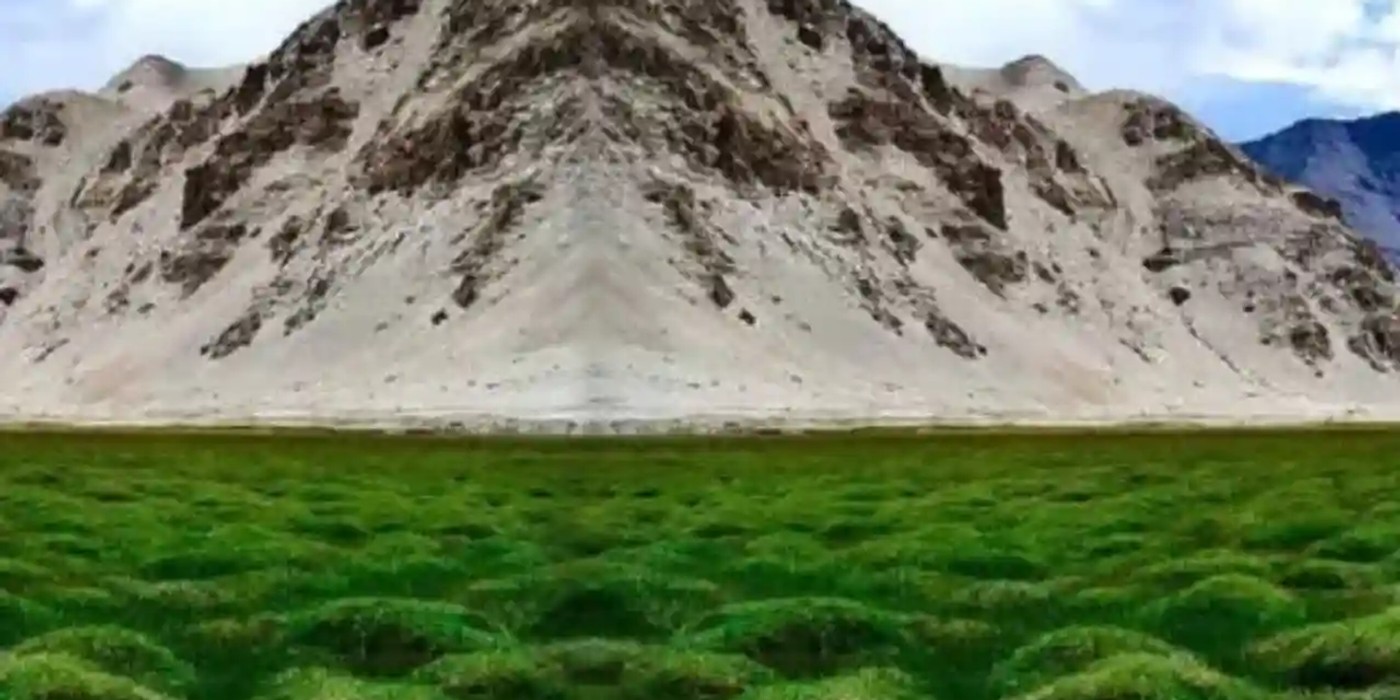
Puga Valley Experience
Colours, Mountains & Geothermal Landscapes
About Puga Valley Experience
Puga Valley is a remarkable geothermal landscape in Ladakh’s Changthang region, recognised for hot springs, mineral deposits, open grassland and striking bands of colour across the ground. It is very different from Ladakh’s monastery and lake stops, offering a rare look at the natural heat and geology beneath this high-altitude plateau.
The valley is often considered within a longer route involving Tso Moriri, Hanle or the journey back towards Leh, but the practical approach depends on current roads, permits and the overall itinerary. Puga should not be added as a casual detour without checking drive time, fuel range and local access. A driver experienced in the Changthang region is important because services and route signs are limited.
Puga is also the site of a major clean-energy project. In July 2026, the Ladakh administration announced the commissioning of India’s first and deepest two geothermal wells in the valley as part of work towards a geothermal power project. Visitors must respect project boundaries, follow all local instructions and never enter operational or restricted areas for photographs. The visit is mainly interpretive and photographic. There may be no formal visitor centre or protective railings, so self-discipline matters. The clean-energy development is active infrastructure, not a tourist playground, and access can change without notice.
The colourful surface and steaming zones are visually impressive but require care. Do not touch hot water, walk on fragile mineral crusts or approach vents. Keep to safe, established ground identified by the driver or local authorities. The ecosystem supports pastoral life and wildlife, so avoid disturbing animals, flying drones without permission or leaving any waste behind.
May to October is generally the most practical road-travel period, subject to Changthang weather and official access. Conditions can change rapidly, with strong wind, intense sunlight and cold temperatures occurring on the same day. Winter travel is specialised and should not be assumed available.
Puga lies at significant altitude. Travellers should acclimatise properly, move slowly and watch for headache, nausea, unusual fatigue or breathlessness. Carry water, sun protection, warm layers, personal medicines, cash and emergency supplies. Mobile connectivity, toilets, food stops, fuel and medical help may be unavailable for long sections of the journey.
iC Kashmir local tip: treat Puga as a carefully planned landscape stop, not a place for unsafe hot-spring bathing or off-road driving. Confirm the route and permissions shortly before travel, keep the visit within daylight and combine it only with an itinerary that allows realistic driving hours and adequate acclimatisation.
Top Highlights
Photo Gallery


Tour Packages Covering Puga Valley Experience


Best Time to Visit
May–October (subject to Changthang road and access conditions)