
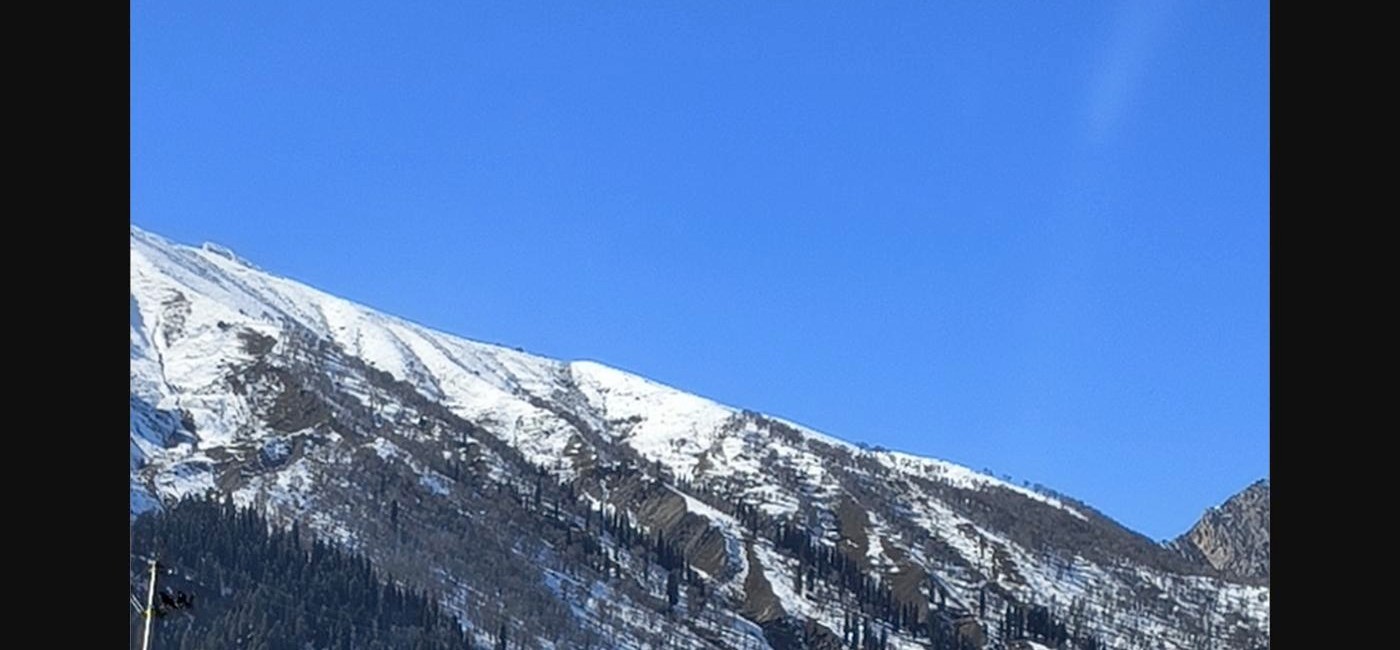
Planning the Amarnath Yatra in 2026? Here's your complete guide to registration, the Pahalgam and Baltal routes, cost, best time, and safety tips for the holy cave shrine.
Every summer, tens of thousands of pilgrims trek through some of the most dramatic terrain in the Himalayas to reach a naturally formed ice lingam inside a remote cave at 3,888 metres. The Amarnath Yatra is one of Hinduism's most demanding and revered pilgrimages, and if you're planning to join it in the coming season, getting the logistics right matters just as much as the faith that drives you. Here is everything you need to know about the route, registration, cost, and timing.
What Is the Amarnath Yatra?
Amarnath Cave sits deep in the Kashmir Himalayas, roughly 141 km from Srinagar. Inside it, an ice stalagmite forms naturally each year from water dripping through the cave roof and freezing in the cold, and it is worshipped as a manifestation of Lord Shiva. Two smaller ice formations beside it are traditionally regarded as Parvati and Ganesha. The cave is mentioned in Kalhana's Rajatarangini, a 12th-century chronicle of Kashmir, so pilgrims have been making this journey for centuries. The Yatra is organised every year by the Shri Amarnathji Shrine Board (SASB), a body set up by the Jammu and Kashmir government to manage registration, security, health facilities, and the overall conduct of the pilgrimage.
Amarnath Yatra 2026: Duration and Best Time to Go
The Yatra typically runs for around 38 to 45 days between late June or early July and ends on Shravan Purnima, the day of Raksha Bandhan, usually in the latter half of August. Exact opening and closing dates change slightly every year based on weather and the lunar calendar, so always confirm the current year's schedule on the official SASB website before booking travel. Within that window, the first and last few days tend to be quieter, while the peak of Shravan month (roughly the last two weeks) sees the heaviest pilgrim rush. If you prefer smaller crowds, aim for the opening week; if you want the full atmosphere of the Yatra with langars, community singing, and a constant stream of fellow pilgrims, the peak weeks are unmatched.
The Two Routes: Pahalgam vs Baltal
There are two official routes to the cave, and choosing between them is the single biggest decision you'll make when planning your Yatra.
Pahalgam Route (Traditional)
This is the longer, traditional path, covering roughly 46 km one way over 3 to 5 days via Chandanwari, Sheshnag, and Panchtarni before reaching the cave. It is more gradual in elevation gain, considered gentler on the body despite the extra distance, and passes through some of the most scenic alpine terrain in the Himalayas. Base camp for this route is Pahalgam, about 96 km from Srinagar.
Baltal Route (Shorter)
The Baltal route is much shorter at around 14 km one way, and can technically be covered in a single day, though it's steep and physically demanding with a sharper elevation gain. Baltal is about 15 km from Sonamarg and roughly 100 km from Srinagar. Many pilgrims choose to go up via Baltal and return via Pahalgam, or vice versa, to experience both. If time is limited, Baltal is faster; if you want a gentler climb and don't mind spending more days on the trail, Pahalgam is the better choice.
How to Register for the Amarnath Yatra
Registration is compulsory for every pilgrim and is managed entirely by the Shri Amarnathji Shrine Board. Applications usually open a few months before the Yatra begins, generally around April, and close once the daily quota fills up. You can register in two ways.
- Online registration through the official SASB website, where you upload your compulsory health certificate and select a date and route
- Offline registration through designated bank branches (mainly PNB, J&K Bank, YES Bank, and SBI) that also require the health certificate
A recent addition is real-time tracking via the RFID card issued to every registered pilgrim, which security teams use to monitor movement along the route. Group registrations, langar (community kitchen) organisers, and service providers also register separately with the Shrine Board. Because slots fill up fast in peak weeks, it's wise to register as soon as the window opens if you have fixed travel dates.
The Compulsory Health Certificate
Because the Yatra involves trekking at altitudes above 12,000 feet in unpredictable weather, every pilgrim must submit a Compulsory Health Certificate (CHC) from an authorised doctor, issued no earlier than a specified number of days before travel. The certificate confirms you're fit for high-altitude trekking and typically requires an ECG, blood pressure check, and basic fitness screening. The Shrine Board publishes the list of authorised doctors and hospitals for this on its website, and certificates from unauthorised sources are not accepted. If you have a pre-existing heart, lung, or blood pressure condition, it's worth consulting your doctor well in advance, since the SASB explicitly advises against the Yatra for people with serious cardiac or respiratory issues.
Amarnath Yatra Cost: What to Budget For
The registration itself is free, but the overall cost of the Yatra depends heavily on how you travel and how much comfort you want along the way. Here's roughly what to factor in.
- Travel to Srinagar or Jammu: varies widely by season and how far in advance you book flights or trains
- Base camp stay in Pahalgam or Baltal: budget guesthouses and tents versus mid-range hotels change this significantly
- Pony or palki (palanquin) hire on the route: a major cost if you don't want to walk the full distance, and prices are set by official rate cards but can vary by season
- Helicopter services from Baltal or Pahalgam to Panchtarni: the fastest option, priced per seat and in high demand, so book official operators only
- Basic gear rental (sticks, rain ponchos, warm layers) if you don't already own them
One thing that keeps the Yatra accessible to pilgrims of every income level is the tradition of langars set up by volunteer organisations along both routes, offering free food, tea, and sometimes medical aid and shelter throughout the journey. Many pilgrims travel on a modest budget precisely because of this network of community generosity.
What to Pack for the Amarnath Yatra
Weather on the route can shift from bright sun to sleet within an hour, so packing right matters more than packing light.
- Warm layered clothing, a waterproof jacket, and thermal wear even in July and August
- Sturdy, broken-in trekking shoes with good grip, plus a spare pair of socks
- A walking stick or trekking pole for the steeper stretches
- Rain poncho or cover, since afternoon showers are common
- Basic medicines, ORS sachets, and any personal prescription medication
- A copy of your registration and health certificate, plus a valid photo ID
- A torch or headlamp, power bank, and a small daypack for the trek itself
- Sunglasses and sunscreen, since UV exposure is intense at altitude
Safety Tips for the Yatra
Altitude sickness is the biggest risk on this Yatra, not the terrain itself. A few precautions go a long way toward a safe pilgrimage.
- Spend a day or two acclimatising in Srinagar or Pahalgam before starting the trek
- Walk at a steady, unhurried pace and take breaks at the langars along the way
- Drink plenty of water and avoid alcohol in the days before and during the trek
- Turn back or seek medical help immediately if you feel breathless, dizzy, or nauseous
- Keep your registration card, ID, and CHC accessible at all security checkpoints
- Follow the timings set by the administration; routes typically close to fresh movement by afternoon due to weather and landslide risk
- Book pony, palki, or helicopter services only through official counters to avoid overcharging or scams
Where to Stay Before the Yatra
Most pilgrims base themselves in Srinagar first, since it has the region's main airport and railhead connections, before moving on to Pahalgam or Baltal a day or two ahead of their registered Yatra date. Pahalgam has a wider range of hotels and guesthouses and works well if you're on the traditional route, while Baltal itself is more of a transit and camping point with basic tented accommodation, better suited to pilgrims heading out early the next morning. Whichever route you choose, booking your base camp stay in advance is worth it during peak Shravan weeks, when accommodation fills up fast.
Planning Your Amarnath Yatra
The Amarnath Yatra rewards preparation. Between registration, the health certificate, choosing a route, and arranging stays and transport around it, there's a fair amount to organise before you even set foot on the trail. If you'd rather have the logistics handled so you can focus on the pilgrimage itself, iC Kashmir can help arrange your base camp stays, local transport, and permits as part of a complete Kashmir itinerary. Whichever way you plan it, the journey to the cave is one that stays with you long after you're back home.